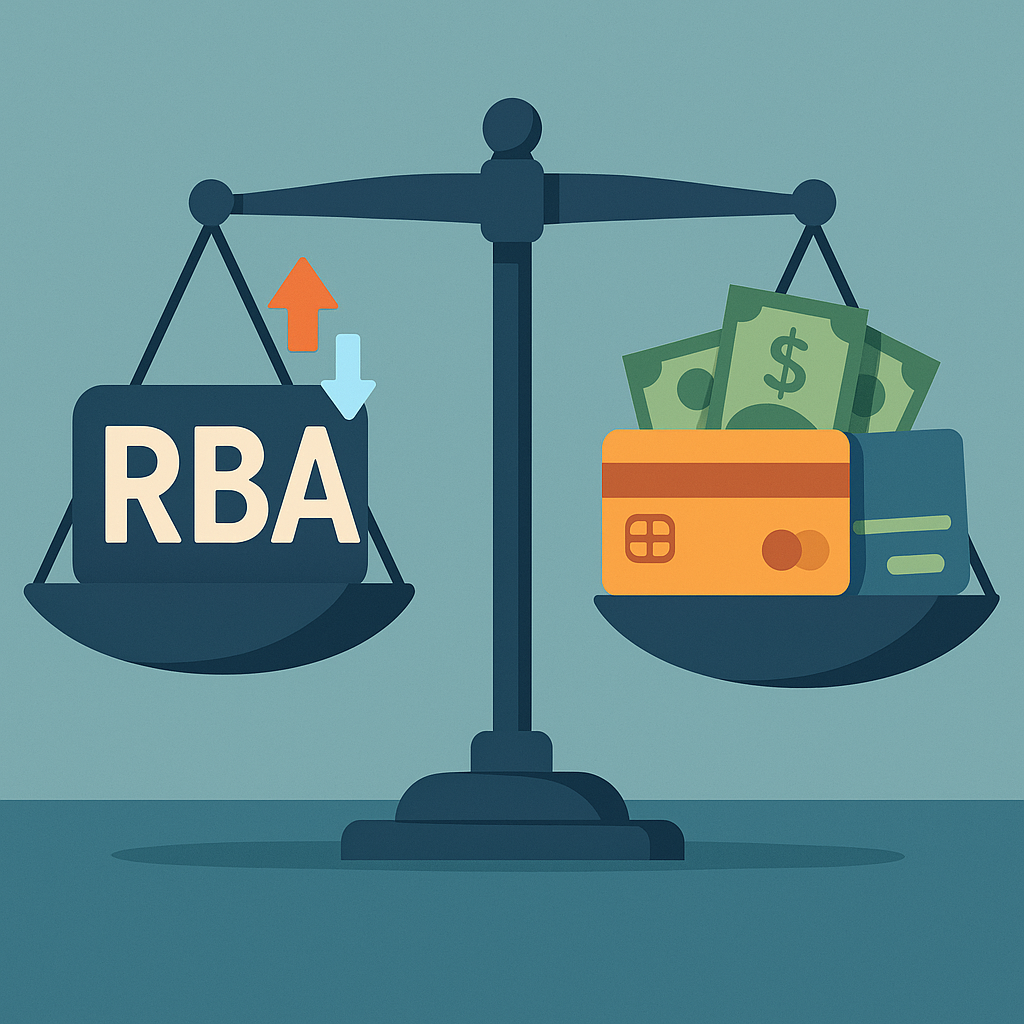
Managing personal finances during high inflation in Australia can be challenging, but with the right strategies, it is possible to maintain financial stability. Inflation affects the purchasing power of money, leading to a rise in the cost of goods and services. It’s essential to adapt your financial plans to face these economic conditions. In this post, we will explore practical steps you can take to safeguard your finances and make informed decisions during these uncertain times.
Understanding how inflation impacts your finances is crucial. As prices climb, your standard expenses are likely to increase, requiring a budget reassessment. By gaining a clear understanding of your financial situation, you can identify areas in need of adjustment. Whether it’s cutting down non-essential expenses or finding ways to enhance your income, adapting to economic changes is necessary for staying on top of your financial game.
The effects of high inflation on your budget

High inflation can severely affect your monthly budget. As the cost of living grows, the money that used to comfortably cover all expenses might no longer suffice. This is the time to revise your budget thoroughly. Start by evaluating your essential and discretionary expenses. Determine which areas of spending can be reduced. By prioritizing your needs over wants, you can create a more resilient budget.
Inflation doesn’t have to derail your financial goals. It’s important to adjust them based on current economic conditions. Review your savings plans, retirement fund contributions, and investment strategies to ensure they are realistic under the circumstances. You may need to lower savings targets temporarily or explore investment opportunities that hedge against inflation. Diversifying your portfolio can also be a useful strategy.
Practical steps to safeguard your finances
One effective way to protect your financial wellbeing is by seeking additional income sources. Whether it’s taking on a part-time job, freelancing, or monetizing a hobby, diversifying your income streams can offer more stability. Additionally, consciously monitor and reduce non-essential expenses to avoid financial strain. Regularly review your bills, subscriptions, and other recurring charges. Small savings on everyday expenses can significantly add up, providing more room in your budget to handle inflationary pressures.
Another practical step is to educate yourself about financial management. Understanding different financial instruments and their benefits during inflationary periods can be immensely helpful. Look for investment options that are designed to combat inflation, such as inflation-linked bonds. Continuing to learn and adapt your financial knowledge can empower you to make better choices and increase your resilience in the face of economic challenges.
Remaining resilient in the face of economic uncertainty
In conclusion, navigating personal finances during high inflation requires a proactive approach. By closely analyzing your budget and making necessary adjustments, you can manage your expenses more effectively. It’s also advantageous to explore ways to supplement your income and educate yourself on financial strategies that work during inflationary periods.
Although such economic conditions are challenging, with patience and persistence, you can safeguard your financial health. By developing a flexible and informed approach, you can weather the storm and ensure long-term financial stability in Australia.