
The carbon market in Australia has been gaining significant attention as it emerges as a novel financial asset for investors. As global efforts to combat climate change intensify, carbon credits have taken center stage in financing initiatives that promote sustainability. This burgeoning market not only offers a path for reducing carbon footprints but also presents lucrative opportunities for investors who are looking to align their portfolios with environmentally-friendly practices.
Australia, with its vast landscapes and rich natural resources, plays a critical role in addressing climate change. The nation’s carbon market is becoming an asset class of interest as businesses and investors alike seek to capitalize on new opportunities. By understanding the nuances of this market, stakeholders can effectively participate in creating sustainable economic growth while contributing to global environmental goals.
Understanding the carbon market
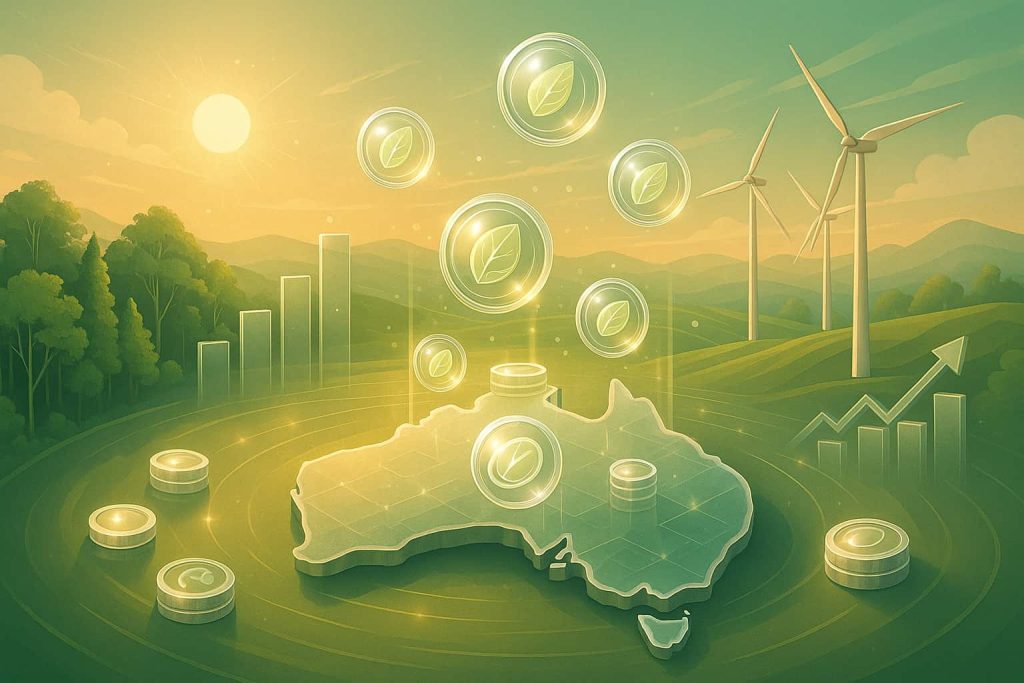
At its core, the carbon market aims to reduce greenhouse gas emissions by putting a price on carbon and creating financial incentives to lower emissions. Companies and governments can buy and sell carbon credits, which represent a permit to emit one tonne of carbon dioxide. By doing so, they can offset their own emissions or those of others.
The dynamics of the carbon market allow for the implementation of various schemes, each tailored to specific industries and goals. The market’s flexibility makes it an attractive financial asset, with investors gaining exposure to green projects. Furthermore, the market’s reliance on verified emission reductions ensures transparency and credibility, which appeals to stakeholders committed to genuine environmental impacts.
How investors can benefit
Investors can diversify their portfolios by incorporating carbon credits as a new financial asset. As regulatory frameworks tighten around emissions, the demand for carbon credits is expected to rise, potentially driving up their value. Companies that are unable to meet their emission obligations will be increasingly reliant on purchasing credits, hence broadening the market scope.
Additionally, investing in the carbon market aligns with Environmental, Social, and Governance (ESG) criteria, attracting investors who prioritize sustainable development. As these considerations gain momentum, investments in carbon credits are poised to deliver both financial returns and positive environmental impacts, reinforcing their appeal as a dual-benefit asset class.
Navigating investment opportunities
Investors looking to enter the carbon market should be aware of the different types of carbon credits available, such as compliance credits and voluntary credits. Compliance credits are used to meet legal obligations under regulated carbon markets, while voluntary credits are purchased by individuals or companies wishing to offset their emissions beyond regulatory requirements.
Understanding these distinctions is vital for making informed investment decisions. By conducting thorough market research and assessing project credibility, investors can identify projects with the potential for high returns and notable environmental benefits.
Implementing a strategic investment plan
To effectively capitalize on the carbon market, investors should consider implementing a strategic investment plan. This involves analyzing current market trends, assessing potential risks, and identifying key projects that align with investment goals.
Moreover, staying informed about policy developments and technological advancements is crucial for maintaining a competitive edge. As the carbon market continues to evolve, being proactive and adaptable will be key factors in achieving a successful investment strategy that meets both financial and sustainability objectives.
The future of carbon credits in Australia
Carbon credits in Australia are poised to play a substantial role in the global effort to mitigate climate change. As the market matures, it will become an even more integral part of investment portfolios focused on sustainability. The delicate balance between economic growth and environmental stewardship will guide future developments.
In conclusion, the carbon market presents a unique opportunity for investors to engage in environmental initiatives while achieving financial gains. By embracing this evolving market, stakeholders can contribute to a sustainable future while enjoying the potential of a profitable investment.